Warehouses and distribution centers run on constant vehicle movement, high-value inventory, and a workforce that swells and shrinks with the season, often at the same time. Gallagher brings access control, perimeter security, and intruder alarms together on one platform, giving operators a single system to manage yards, docks, and storage zones instead of a patchwork of disconnected ones.
Why warehouse and distribution center operators choose Gallagher

Centralized security management
Run access, alarms, and perimeter from a single Command Centre platform

Vehicle & yard access
Process trucks and trailers through automated gate and yard entry with LPR and RFID

Loading dock & zone-based access
Restrict shipping and receiving areas to authorized staff and drivers

Video integration
Connect your choice of VMS, Milestone, Hanwha, and more, directly into Command Centre

Perimeter & yard protection
Detect and locate fence-line and yard breaches with Monitored Pulse Fencing

Incident & audit trails
Generate automated, audit trail reports for loss-prevention investigations

Competency management
Enforce forklift, hazmat, and induction qualifications as access prerequisites

Scalable, multi-site architecture
Scale from a single facility to a national network of up to 10,000 Controller units
Comprehensive security for warehouse and distribution operations
Our warehouse and distribution center security solutions combine physical security, compliance support, and operational efficiency to help protect inventory, staff, and throughput.
Access control ↗
Gallagher Security's warehouse access control combines role-based, credentialed access for staff, drivers, and contractors with mobile and smart card DESFire EV3 credentials, time schedules, and zone restrictions that keep shipping, receiving, and high-value storage areas separated from general traffic.
Visitor and contractor management ↗
Digital visitor registration, powered by Kenai, replaces manual sign-in sheets with a visitor management system built for the pace of a warehouse and distribution center, provisioning credentials for seasonal staff and contractors with automatic expiry so temporary access doesn't outlast the job it was issued for
Perimeter security ↗
Detect and locate fence-line and yard breaches with Monitored Pulse Fencing and F Series Fence Controllers, built for the sprawling, low-foot-traffic sites where a standard warehouse security fence alone gives no warning before an incident develops. Zone-based activation lets deterrence step up automatically after hours, when yard traffic drops and risk rises.
Compliance-friendly reporting ↗
Command Centre's automated audit trails support internal loss-prevention investigations and customer or retailer compliance reviews for distribution center security, covering zone access history, alarm summaries, and credential status across the workforce. Integrating with your HR system keeps competency records and access permissions in sync, so a lapsed certification revokes zone access automatically.
Challenges in warehouse and distribution center security
-
Compliance and audit requirementsCustomer and retailer compliance audits sit on top of standard workplace regulations, and distribution centers handling imported goods may also need to account for C-TPAT requirements as part of their broader compliance posture.
-
High-value and restricted storage zonesHigh-value inventory and returns or exception areas need tiered access that separates them from general warehouse traffic, not just a single perimeter around the whole site.
-
Internal theft and shipping/receiving collusionThe distribution center-specific risk isn't a lone actor. It's an employee and a driver working together at the exact point where goods physically leave the building, a pattern generic access logs rarely catch on their own.
-
Perimeter and yard exposureTrucks, trailers, and low foot traffic after hours make a warehouse yard a different security problem than a typical commercial site. Fence-line monitoring built for a static perimeter often can't keep pace with constant vehicle movement across a large, open site.
-
Seasonal workforce and contractor turnoverPeak-season hiring brings a wave of temporary staff and contractors who need fast, fully tracked credentialing, then need that access revoked the moment the peak ends, a pressure point Security Management's April 2026 focus on warehouse and distribution center security also singled out.
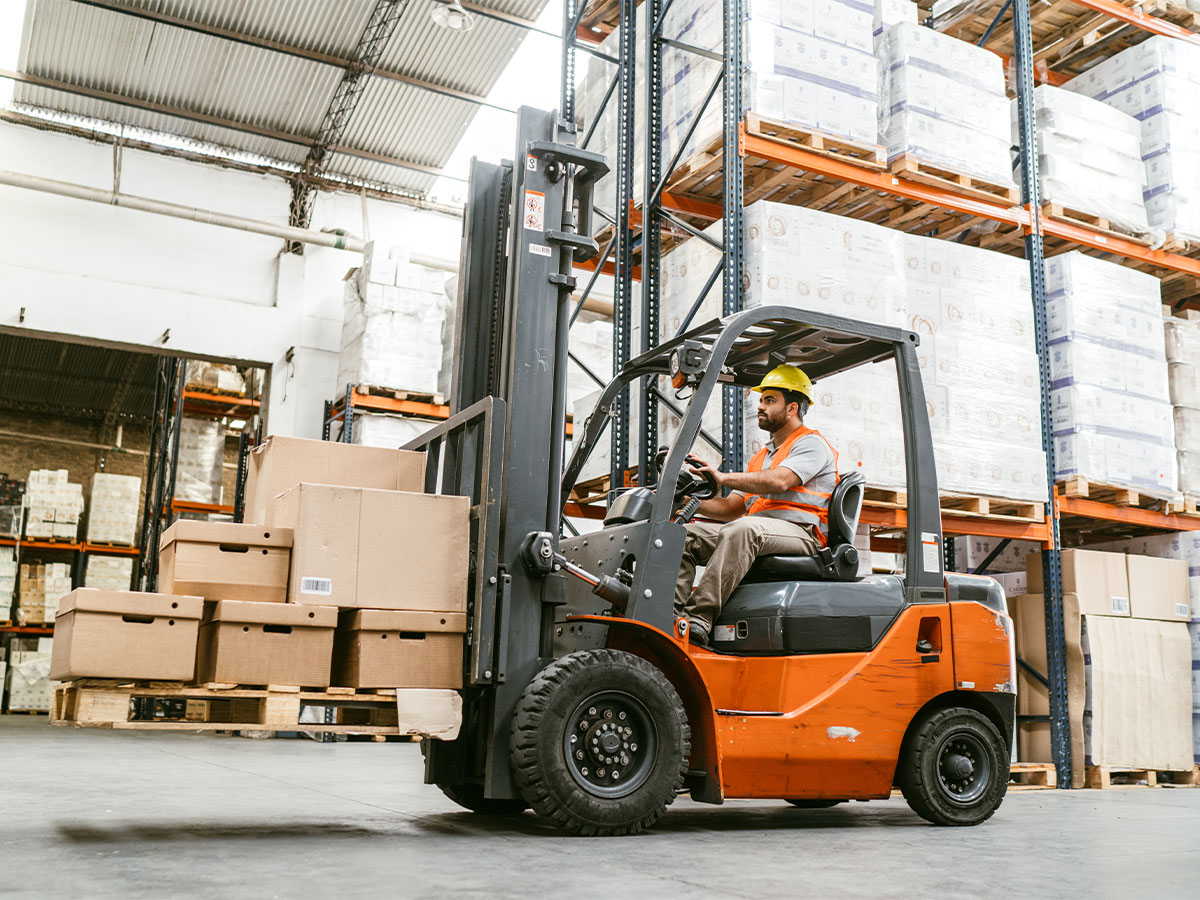
Warehouse and distribution center security use cases
Third-party logistics (3PL) facilities
PotashCorp shares several turnstiles and doors with one of the world's largest chemical companies, on the same property. Rather than running two disconnected systems, a system-to-system integration lets each company manage its own access rules across the shared infrastructure from within Command Centre, enabling multiple customer's staff to share a single facility.
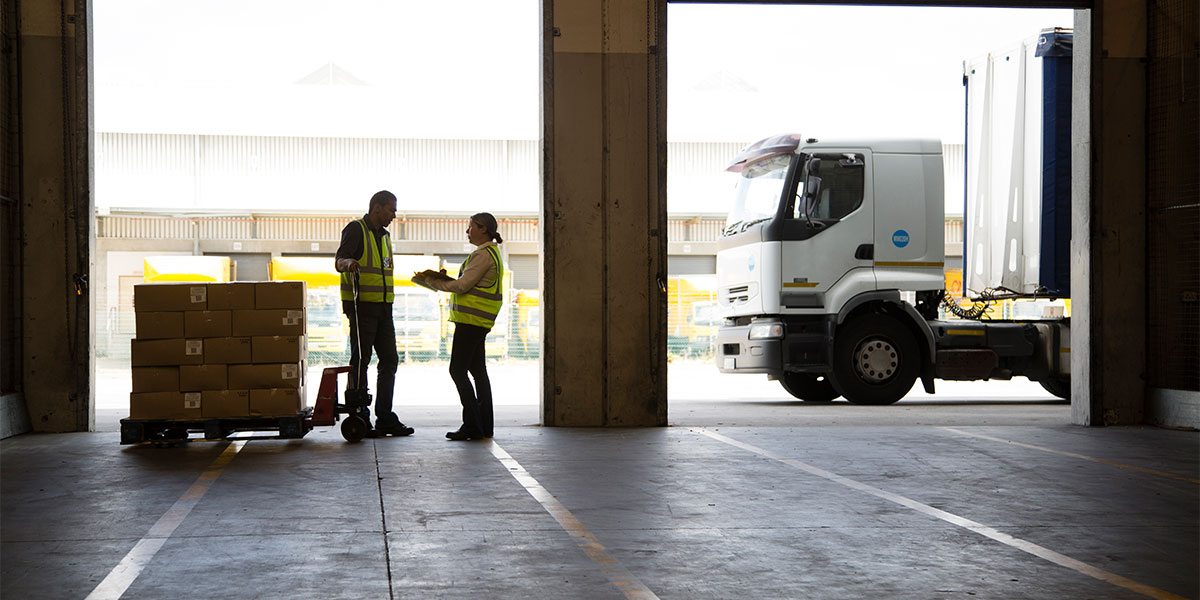

Cold chain / temperature-controlled distribution
Temperature-controlled facilities add an environmental and compliance layer on top of standard access control. Restricted zone access, competency tracking, and audit trail reporting help operators demonstrate the same compliance standards inside a cold chain that they maintain across the rest of the site.
Retail and e-commerce fulfillment centers
Seasonal peaks bring high-volume staffing swings and higher exposure to small-goods theft. Fast credential provisioning with automatic expiry keeps temporary hires moving without leaving stale access behind once the peak ends

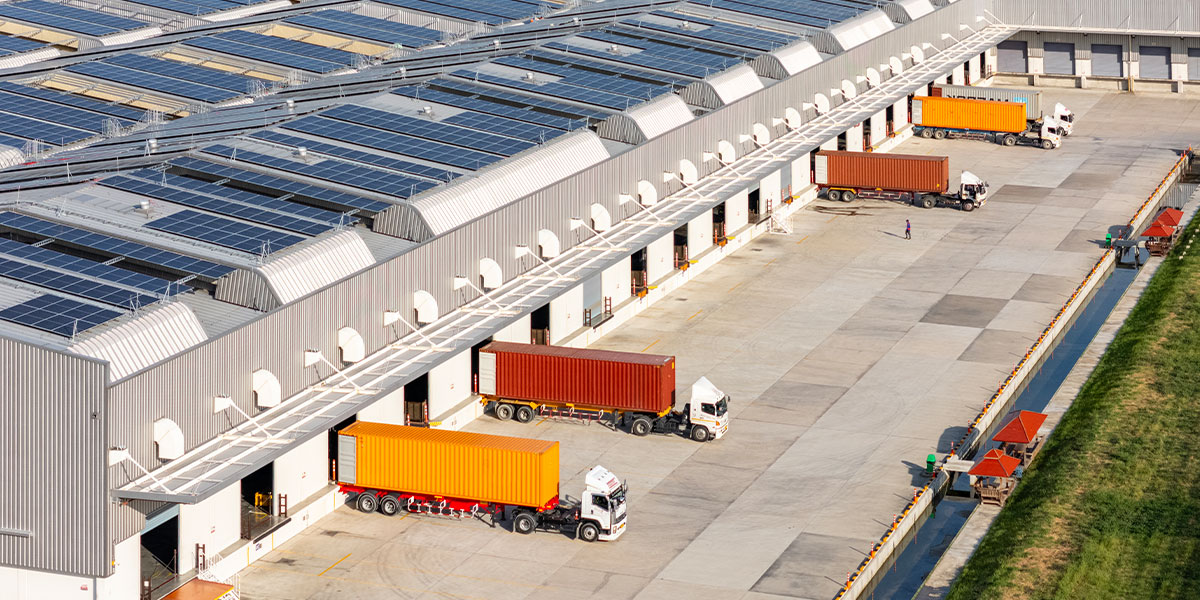
Manufacturing-adjacent distribution / cross-dock facilities
Cross-dock operations sit at the point where manufacturing output becomes distribution volume. Gallagher Security's role-based access and zone permissions manage that handoff without duplicating the access rules already in place on the manufacturing side.
Start your warehouse security project with Gallagher
Contact one of our experts today to discuss how Gallagher's integrated security platform can protect your yards, docks, and inventory while keeping throughput moving.
Frequently asked questions (FAQs)
-
Compliance and audit requirementsCustomer and retailer compliance audits sit on top of standard workplace regulations, and distribution centers handling imported goods may also need to account for C-TPAT requirements as part of their broader compliance posture.
-
High-value and restricted storage zonesHigh-value inventory and returns or exception areas need tiered access that separates them from general warehouse traffic, not just a single perimeter around the whole site.
-
Internal theft and shipping/receiving collusionThe distribution center-specific risk isn't a lone actor. It's an employee and a driver working together at the exact point where goods physically leave the building, a pattern generic access logs rarely catch on their own.
-
Perimeter and yard exposureTrucks, trailers, and low foot traffic after hours make a warehouse yard a different security problem than a typical commercial site. Fence-line monitoring built for a static perimeter often can't keep pace with constant vehicle movement across a large, open site.
-
Seasonal workforce and contractor turnoverPeak-season hiring brings a wave of temporary staff and contractors who need fast, fully tracked credentialing, then need that access revoked the moment the peak ends, a pressure point Security Management's April 2026 focus on warehouse and distribution center security also singled out.