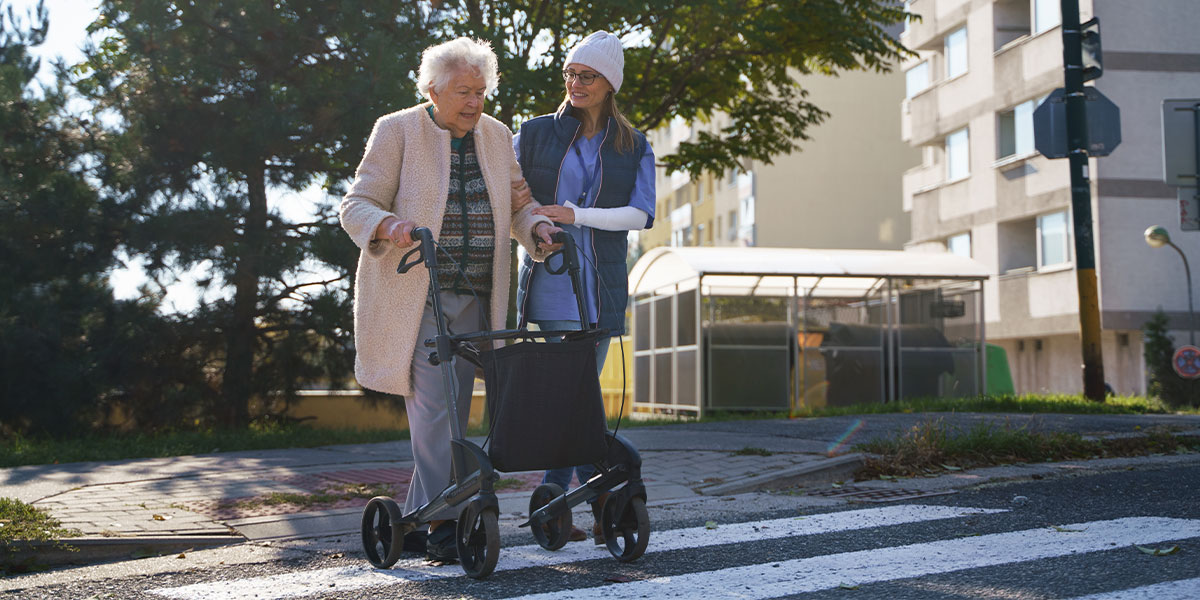
An alarm signaling that a resident has wandered out of a designated safe area is one no aged care manager wants to hear. Your team is immediately faced with an elopement risk.
This scenario places enormous pressure on aged care teams, who must balance the duty to protect residents with the need to maintain their dignity and freedom of movement. Relying on manual supervision alone is no longer enough in facilities with a high flow of staff and visitors.
This is why wander management in aged care now depends on digital access control. It creates a safety net that operates in the background, while allowing you to manage exactly who goes where, without making your facility feel like a hospital. This guide offers practical steps your team can take to automate safety and improve your daily operations.
Key takeaways
- Automate high-risk access points. Using digital locks on perimeter exits and lift lobbies prevents unauthorized departures without relying on physical keys.
- Divide your facility into specific areas like memory support units or public foyers. This allows residents to move freely in safe spaces while securing hazardous corridors.
- Access control in aged care facilities should trigger real-time alerts. This ensures your staff know the moment a restricted door is accessed so they can act immediately.
How Do You Manage Elopement Risk in Aged Care?
To build a safer facility, you first need to define what wander management actually achieves. Think of it as the practical application of your duty of care. It supports safe movement while preventing an "elopement" event. This happens when a resident with cognitive impairment exits a safe area without supervision.
Risk often peaks during sundowning periods in the evening or during the chaos of visiting hours. It also concentrates at specific physical points like stairwells and boundary fences. You need a system that monitors these areas 24/7. The goal is to catch a potential issue at the first internal door, not when someone has already reached the street.
Why Do Aged Care Facilities Need Digital Access Control?
Once you have identified your risk points, the next step is moving away from unreliable manual processes. Relying on master keys is a gamble. Keys are easy to lose and they don't provide a record of who opened a door. If a gate is left ajar, you have no way of knowing who was there.
Digital access control in aged care facilities removes this uncertainty. You can update access rules for a new staff member or a contractor in seconds. It ensures that everyone stays in the right areas without the admin burden of physical key handovers. This consistency is vital for maintaining your duty of care during busy periods.
How Does Access Control Support Safe Zones and Door Management?
With a digital foundation in place, you can then focus on how to divide your facility into safe zones. Zoning is the best way to handle a large site. You can keep public areas like the cafe open while securing memory support units or medication rooms. Gallagher Command Centre lets you set these rules based on the specific needs of your residents.
This approach supports a resident's independence. They can walk through their living zones without hitting a locked door every few meters. You only apply restrictions where the risk is highest. It improves your operational control while making daily life easier for your clinical teams.
How Can Triggers and Alerts Speed Up Staff Response Times?
Physical locks are only half the battle. You also need a way to ensure your staff can respond to incidents instantly. Security works best when you know exactly when a rule is broken. Triggers and alerts stay ahead of emergencies.
When a restricted door is accessed, the system sends an alert to the staff on duty immediately. This fast response is essential when your team is busy with other tasks, allowing for quick intervention before the situation escalates. It creates a more responsive environment where safety is proactive.
How Does Visitor Management Support Safe Movement on Site?
Beyond your core team, you also have to manage the flow of visitors and contractors. Visitors are a key part of your community, but they can also create security gaps. You need to ensure that family members can come and go without accidentally allowing a resident to follow them out.
Integrated visitor management provides guests temporary credentials that turn off when they leave. This reduces uncontrolled movement into private resident areas. It also makes the sign-in process professional and easy for families to use.
What Are the Benefits of Integrating Wander Management with Nurse Call Systems?
Finally, the most effective facilities don't treat security as a silo. They link it to existing clinical tools. Aged care is complex, so your systems should talk to each other. Linking your wander management to your nurse call system provides a major advantage.
When your systems are connected, a wander alert can be treated with the same urgency as a clinical call. This unified approach removes disconnected processes. Your staff have a clearer path to respond and fewer screens to monitor. It makes the entire facility more resilient and much safer for everyone.
What Is the Best Approach to Wander Management with Access Control?
A good strategy puts the resident first. You want to balance safety with freedom of movement. Effective wander management in aged care achieves this by using a layered defense.
By combining zones, digital locks, and real-time alerts, you create a safety net that protects your most vulnerable people. This isn't about building barriers. It's about using technology to create a secure, efficient, and dignified home.
Ready to strengthen your facility's safety? Explore our aged care solutions to see how we can support your goals. Contact Gallagher or an authorized Gallagher Channel Partner to build a plan for your site.