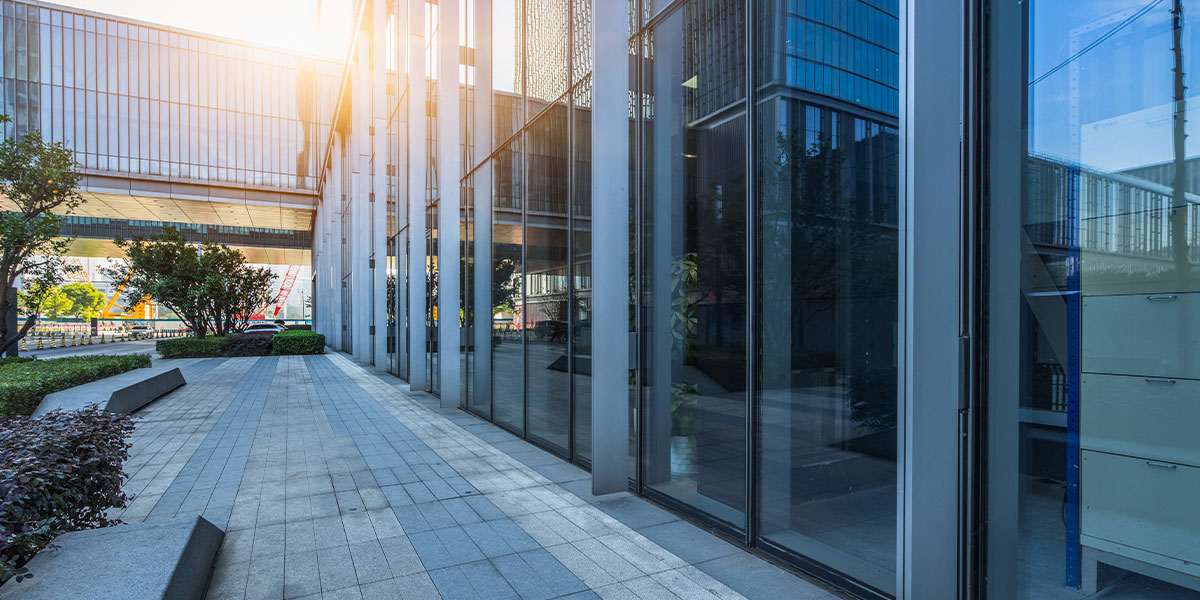
Modern office buildings are no longer just rows of desks and private cubicles. They've evolved into social hubs with shared amenities like gyms, roof terraces, and collaborative spaces. JLL's latest research puts tenant experience at the center of this shift with 62% of organizations saying they'd prioritize building quality and amenities over prime location. Workspace experience is increasingly seen as a driver of how well employees think and perform, with over 70% of both office and frontline employees from the same JLL research agreeing that their workplace contributes to their productivity.
This mixed-use shift pressures property managers to keep lobbies welcoming while securing tenant floors. Office building access control is the solution. It governs every entry, from car parks to end-of-trip facilities, via a centralized platform, managing users securely without foyer bottlenecks. This blog unpacks how you can use digital access rules to secure shared spaces while protecting the tenant experience.
Key takeaways
- Control Every Zone: Use access control to separate public lobbies from private tenant floors. This ensures people only enter the areas they are authorized to use.
- Modernize the Experience: Mobile credentials make site entry easier for staff and reduces the admin burden of lost fobs.
- Automate Shared Amenities: Use schedules to manage access to gyms and meeting rooms. This removes the need for manual lock-ups and ensures facilities are only used during approved hours.
Why do shared office spaces create security gaps?
Shared spaces are harder to secure than private tenanted floors because they have a constant flow of different users. You have tenants from multiple companies, their guests, contractors, and delivery drivers all moving through the same lobby. This high foot traffic makes it easier for unauthorized people to tailgate through a gate or a lift.
Credential sharing is another common risk. If a tenant gives their card to a friend to use the building gym, your security is compromised. Inconsistent rules across different tenants can also lead to gaps in your data. If one company has lax rules while another is strict, the whole building is less secure. These gaps put assets at risk and hurt the tenant experience. A premium office should feel safe and well-managed.
How does access control manage shared zones and schedules?
Office building access control is all about managing who enters an area, when they can enter, and under what conditions. In a modern office, this means dividing the building into logical zones. Your lobby and cafe are public zones. Your lift lobbies and amenity floors are semi-private. Your tenant offices and plant rooms are high-security zones.
Schedules allow you to automate these rules. You can set the main doors to stay open during business hours and require a credential for after-hours entry. You can also apply specific windows for contractors. A cleaning crew might have access to the whole building from 6:00 pm to 10:00 pm, but their access turns off automatically outside those times. This centralized management removes the need for manual coordination and ensures your site is always protected.
How to handle tenant access in a multi-tenant building?
Managing multi-tenant building security requires a system that is flexible and scalable. Every tenant has different needs. Some might have 200 staff while others have five. A modern approach supports this by allowing you to tailor permissions for each group.
You can assign staff to specific roles that define their movement through the building. A tenant on the fifth floor can access the car park, the lobby, and their specific office, but they can't enter the offices on the sixth floor. This reduces friction for the user because they only interact with the doors they need. Plus, it gives property managers a clear view of how the building is being used. If a tenant grows and takes over another floor, you can update their access rules in seconds through the management platform.
How can you integrate visitor and contractor workflows?
Visitor management works best when it is an extension of your access control system rather than a separate tool. An integrated workflow ensures that guests follow the same security rules as your tenants. It starts with pre-approval. A tenant can register their guest in the system before they arrive.
When the visitor reaches the lobby, they check in and receive temporary access. This access is limited to specific shared areas like the meeting room floor and the tenant's reception. The system applies a time-bound expiry so the credential stops working as soon as the visit ends. This reduces the admin burden on your front-desk team and ensures that visitors are never left with active permissions. It creates a professional first impression while keeping your site secure.
Which shared spaces need special attention?
Certain areas of an office building require specific rules to prevent misuse and protect safety.
- End-of-trip facilities: These zones often house expensive bikes and personal belongings. You should use tenant-only rules and specific time windows to ensure only authorized users enter.
- Meeting rooms: Link your access control to your booking system. This ensures a person can only unlock a meeting room door during their reserved time slot.
- Loading docks and service corridors: These are high-risk entry points. Use contractor windows and require staff escorts for sensitive deliveries.
- Car parks: Use separate credentialing to ensure that only people with a valid parking spot can enter. This prevents unauthorized vehicles from taking up space or creating a security risk.
By applying these rules, you ensure uninterrupted movement for the people who belong on site. You prevent the "fortress" feeling while maintaining total control over every corner of the building.
Why are reporting and visibility essential for building governance?
You need to understand how your building is being used to make better management decisions. Digital reporting provides a clear view of who accessed what and when. This visibility is vital if you need to investigate a theft or a security breach.
It also helps you refine your building policies. If you notice that a specific amenity floor is busy at certain times, you can adjust your cleaning schedules or security patrols to match. Plus, reporting helps you prove compliance with safety standards and insurance requirements. You have a detailed, unalterable log of every event across your entire estate. This level of data helps you move from reactive fixes to proactive site management.
How does Gallagher deliver modern office security?
At Gallagher, our office security solutions help you create a workplace that’s secure, efficient, and built around your employees.
- Command Centre: Manage your access, alarms, and building automation through one unified platform to improve site oversight.
- Mobile Connect: Use smartphones as digital keys to improve the staff experience and stop the hassle of lost fobs.
- Intruder Alarm Integration: Track door events and alarms in one view to respond to unauthorized entry in seconds.
- Perimeter Protection: Identify threats at your property boundary to stop trouble before it gets near your office buildings.
- System Interoperability: Connect with third-party building tools to create a more efficient and coordinated workplace.
Common questions about office building security
What is office building access control?
It’s the digital system that manages entry to your lobby, lifts, and suites. It replaces risky master keys with smart credentials to keep unauthorized people out of private tenant zones and sensitive building plant rooms.
How can multi-tenant building security manage shared gyms?
You manage these areas using automated schedules and specific user permissions. It ensures only active members can unlock gym or roof doors, which stops non-tenants from using your high-end amenities without a valid subscription.
Can we use smartphones for office building access control?
Yes, mobile credentials, such as Gallagher's F-Series Controllers or employee badge in Apple Wallet, let your tenants use their smartphones to enter the building securely. This feature of office building access control removes the cost of replacing lost plastic fobs and simplifies the morning commute for your staff.
How does multi-tenant building security handle guest access?
The system issues temporary digital keys that only work for specific floors and limited time windows. This layer of multi-tenant building security ensures guests reach their meeting but cannot wander into other private offices on the estate.
Securing shared spaces in office buildings
Protecting a modern office is about finding the balance between security and the tenant experience. You want to create a welcoming environment that people enjoy working in. Office building access control makes this possible by using zones, permissions, and automated schedules to handle the complexity for you.
By integrating your visitor and contractor handling, you close the gaps that lead to unauthorized access. You gain the visibility needed to support your governance and protect your assets. This approach ensures your building is resilient, efficient, and ready for the future of work.
Ready to improve your building's security? Contact Gallagher or an authorized Gallagher Channel Partner to discuss a roadmap for your site.